
Kendrick Bangs Kellogg, Class of 1953
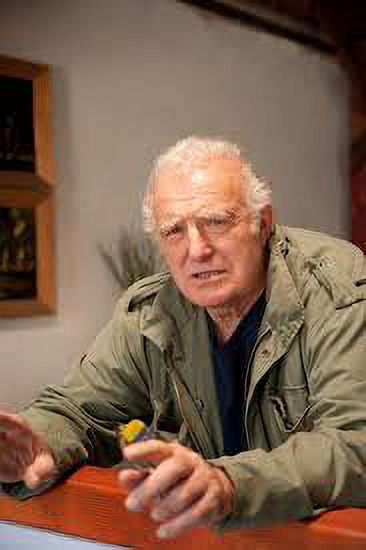 Kendrick Bangs Kellogg quickly gained a reputation in the 1960s and 1970s of creating unique sculptural homes that ranged in inspiration from lotuses to onions to caterpillars in the way they dramatically unfolded on the landscape around them.
After an early meeting with Frank Lloyd Wright, Kendrick decided “he didn’t want to become a disciple. He wanted to pursue his own effects and forms.” Through an organic creative process, his buildings exhibit a strong artistic dimension that thrives on spatial fluency and exuberance. Adding to the uniqueness of Kellogg’s architecture is its integration of the work of artists and craftsmen in its interiors and finishes, including artist James Hubbell.
Kellogg’s designs respond to the specific conditions of their locations, making them dramatically unique. A firm believer in learning by doing, Kendrick himself participated in building his designs, often turning construction sites into educational arenas for inexperienced workers. Kendrick’s design projects range from the domestic to the institutional, including numerous Chart House restaurants across the nation.
Among his most celebrated buildings are the Onion House in Hawaii with its translucent roof panels; the Yen Lotus house in San Diego based on the shape of a nautilus shell; and in Joshua Tree, the Kellogg Doolittle High Desert House’s 26 cast-concrete vertebrae which rise up as columns and then fan out to create a roof.
Kendrick Bangs Kellogg’s vision created “total works of art blending architecture, wood, stained glass, and metalwork.” Fortunately, today most of his masterpieces survive today as testaments to his unique perspective on buildings enhancing their locations.